
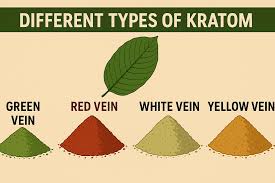
In the study of Mitragyna speciosa, the concept of “terroir”—the environmental factors that affect a plant’s chemical makeup—is central to understanding batch variation. While both Jong Kong and Thai varieties originate from similar Southeast Asian climates, their specific micro-climates and traditional processing methods result in distinct technical profiles. For merchants and researchers, recognizing these differences is essential for maintaining a diverse and accurately labeled inventory that meets specific analytical benchmarks.
Jong Kong: The Influence of River-Fed Soil
The Jong Kong region, located along the Kapuas River in Indonesia, is known for its nutrient-dense, alluvial soil and ancient growth forests. Botanical material sourced from this area often displays a complex alkaloid “fingerprint” due to the maturity of the trees and the mineral-rich earth. On a Certificate of Analysis (COA), Jong Kong batches typically show a balanced distribution of minor alkaloids. This makes it a preferred choice for those seeking raw material with a broad secondary metabolite profile, often preserved through indoor drying techniques that protect the leaf from direct UV degradation.
Thai Variants: Selection for Specific Markers
While the name “Thai” refers to the genetic heritage of the strain, modern Thai-style material is often cultivated with a focus on high Mitragynine concentrations. Historically, Thai varieties have been characterized by a more focused alkaloid structure compared to the broader profiles found in the Jong Kong wilderness. These batches are frequently processed using specialized drying protocols to “lock in” specific chemical markers. From a procurement perspective, Thai varieties are often utilized when a batch requires a high degree of standardization for a specific primary alkaloid percentage.
Processing: The Final Differentiator
Beyond the soil and climate, the divergence between Jong Kong and Thai material is finalized in the post-harvest stage. Jong Kong material typically undergoes a slower, more shaded fermentation or oxidation process, which can lead to a richer hue in the final powder. Conversely, Thai-style processing often favors a more rapid dehydration to maintain a vibrant green color and preserve more volatile aromatic compounds. By documenting these environmental and mechanical differences, merchants can provide clear, compliant information that focuses on the physical properties of the plant rather than making unsubstantiated claims.